Frontier Series 2026 /
Translational
Neurocognitive Technologies
| Cognitive Neuroscience. Responsible AI. Clinical Application. |
About the Series
Örebro University and Lund University (Sweden) present the Frontier 2026 Talk Series centralising the themes of next-generation responsible neurocognitive technologies and translational clinical neuroscience. The series brings together researchers from neuroscience, artificial intelligence, cognitive science, engineering, and data science to explore the mechanisms of brain function in health and disease.
The series emphasises interdisciplinary methodologies linking neuroimaging, molecular neuroscience, systems neuroscience, computational cognitive modelling, computer science, and cognitive science to drive innovation and societal impact with ecologically valid diagnosis, monitoring, and intervention in real-world clinical contexts.
The series primarily highlights research at the intersection of cognitive, neural, and computational sciences while emphasising:
- Multimodal interaction in ecologically valid naturalistic situations of everyday life as a foundational basis for empirical investigation. Among other things, a central focus is on mechanisms of memory, executive control, language, visual and spatial cognition, visuo-auditory attention and navigation.
- Individual differences and neurocognitive divergence influencing cognitive performance and resilience, encompassing aspects such as age, gender, genetics, social context of interactive engagement etc. A central focus is on neurodegenerative diseases and aging-related brain changes, for instance, Alzheimer’s disease (AD) and mild cognitive impairment (MCI)
- Development of next-generation reponsible AI methods to be used as explainable/interpretable/verifiable tools for interpretive research in cognitive neuroscience and cognitive psychology is emphasised. Furthermore, computational neuroscience integrating neuroscience, AI and machine learning, and dynamical systems theory to model cognitive/brain (dys)function is also in focus.
Talks will showcase multimodal and data-driven approaches that bridge structure, function, and cognition. Featured methods include:
- Neuroimaging: PET (tau-, amyloid-, FDG-), MRI, fMRI, DTI - Electrophysiology & Stimulation: EEG/ERP, MEG, ECoG, TMS-Biomarkers: Cerebrospinal fluid and plasma markers for disease staging and progression
- Computational Modeling: Artificial Intelligence and Machine learning, Explainable AI, Multivariate Analysis, Image Quantification, Predictive Diagnostics with Explainability and Verifiability
- Real-World Cognition: Naturalistic Stimuli, Multimodal Imaging, Hyperscanning, Mobile sensing, and Digital Human Behavior Analysis Pipelines for Studying Brain and Behaviour in Everyday Life
Details about speakers and instructions for participation are linked below. In addition to general open participation, also note the opportunity to join in the parallel format and seek educational credits, for instance as a student participant.
Series Coordination / Contact
Prof. Mehul BhattÖrebro University., Örebro, Sweden - CoDesign Lab EU /
Dr. Vasiliki Kondyli
Lund University., Lund, Sweden - CoDesign Lab EU /
Contact. For general questions pertaning the Frontier 2026 talk series, contact Mehul Bhatt ( info AT codesign-lab.org ). For specific inquiries pertaning participating as a student / obtaining educational credits, please write to Vasiliki Kondyli ( vasiliki.kondyli AT codesign-lab.org ).
Panel and Schedule
Germany (Freie Universität Berlin. Ernst Strüngmann Institute for Neuroscience Heinrich-Heine-University. Hertie Institute - University of Tübingen. Research Center Jülich) \ Netherlands (Universiteit Leiden) \ Poland (Jagiellonian University in Kraków) \ Singapore (National University of Singapore) \ Sweden (University of Gothenburg. Karolinska Institute. Lund University) \ Taiwan (National Yang Ming Chiao Tung University) \ United States (Columbia University Medical Center. Georgia Institute of Technology)
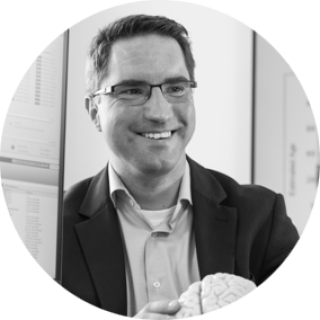


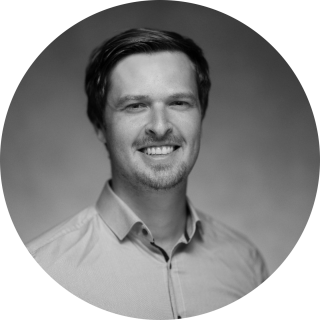
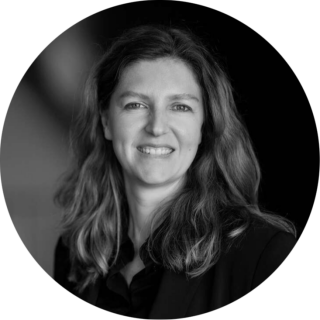







SPEAKERS - SCHEDULE
Prof. Simon Eickhoff > Clinical Brain Medicine 2.0 – The ABCD-J Platform for Digital Biomarker Research and mHealth
Institute of Systems Neuroscience, Heinrich-Heine-University., Dusseldorf, Germany
Institute of Neuroscience and Medicine., Research Center Jülich, Germany
Wednesday March 11 2026 - 14:00 to 15:30 /
Dr. Sankaraleengam Alagapan > Interpretability in Neurotechnology:
Using Explainable AI to Identify Biomarkers in Deep Brain Stimulation
Georgia Institute of Technology, United States
Wednesday March 25 2026 - 14:00 to 15:30 /
Prof. Esther Kuehn > Translational Applications of Layer-Specific Multimodal MRI for Aging and Neurodegeneration
Hertie Institute for Clinical Brain Research (HIH)
Eberhard Karls University Tübingen, Germany
Wednesday May 13 2026 - 14:00 to 15:30 /
Prof. Joana Braga Pereira > Mapping Brain Connectivity in Aging and Neurodegeneration:
From Molecular Markers to Brain Networks
Karolinska Institute, Stockholm, Sweden
Wednesday June 3 2026 - 14:00 to 15:30 (TBA)
Prof. Juan (Helen) Zhou > Multimodal Neuroimaging in Neuropsychiatric Disorders
National University of Singapore, Singapore
TBA - 14:00 to 15:30 /
Prof. Ching-Po Lin > Mapping Human Connectomics: Toward Smart Brain Health Management
National Yang Ming Chiao Tung University
Hsinchu City, Taiwan
2026 (TBA)
Prof. Mikael Johansson > Decoding Episodic Memory:
Neural Reinstatement and Eye Movement Dynamics in the Reconstruction of Past Events
Lund Memory Lab, Lund University
Lund, Sweden
Wednesday Sep 2 2026 - 14:00 to 15:30
Prof. Michael Schöll > Molecular Medicine, Neuroimaging and Biomarkers for Neurodegenerative Disease
University of Gothenburg, Gothenburg, Sweden
Wednesday Sep 16 2026 - 14:00 to 15:30 /
Prof. Marcin Leszczyński > Neurophysiology of Cognitive Processes
Columbia University Medical Center., and Jagiellonian University in Kraków
United States and Poland
Wednesday Sep 23 2026 - 14:00 to 15:30 (TBA)
Prof. Ineke van der Ham > The Potential of Virtual Reality for Clinical Neuropsychology
Universiteit Leiden, The Netherlands
Wednesday Oct 7 2026 - 14:00 to 15:30 /
Dr. Manuel Brenner > Data-Driven Interpretable Dynamical Systems Models for Neuroscience & Psychiatry
ESI - Ernst Strüngmann Institute for Neuroscience, Frankfurt, Germany
Wednesday Oct 21 2026 - 14:00 to 15:30 /
Prof. Radoslaw Martin Cichy > Empirical Vision Neuroscience for Next-Generation AI
Center for Cognitive Neuroscience Berlin (CCNB)
Freie Universität Berlin, Germany
Wednesday Nov 18 2026 - 14:00 to 15:30 /
Lectures - Speaker Profiles
Clinical Brain Medicine 2.0 – The ABCD-J Platform for Digital Biomarker Research and mHealth
Prof. Simon Eickhoff
Institute of Systems Neuroscience, Heinrich-Heine-University., Dusseldorf, GermanyInstitute of Neuroscience and Medicine., Research Center Jülich, Germany /
Abstract / Over the past decade, imaging and systems neuroscience have evolved into true big-data disciplines, driven by population-level modeling and a growing commitment to reproducibility. While these developments have deepened our understanding of human brain organization and variability, they have also widened the divide between basic and clinical research, making it increasingly difficult to translate laboratory discoveries into real-world applications.
In contemporary research, reproducibility is ensured through automated processing pipelines and robust data-management frameworks, particularly when analyzing large, multi-site cohorts aggregated through open data sharing. By contrast, clinical data are still frequently collected manually, managed in spreadsheets, and rarely structured for pooled or longitudinal analyses. The momentum toward large-scale data aggregation has also come at a cost: phenotypic data are often shallow, restricted to overlapping behavioral variables across studies or the few neuro-relevant measures included in large population datasets such as the UK Biobank. This limitation compounds the existing challenge that standardized behavioral tests often fail to capture the complex, multidimensional disturbances that characterize many brain disorders. Moreover, both systems neuroscience and clinical practice have struggled to account for the rich intra-individual dynamics of symptom expression and disease progression, inadvertently conflating within-subject variation with between-subject differences.
To address these challenges, we developed the ABCD-J platform: a user-friendly, scalable infrastructure designed to advance digital biomarker research. ABCD-J integrates flexible mobile health assessment tools, including passive sensing, ecological momentary assessments, and active digital tasks, with a robust and interoperable data-management backbone and accessible machine-learning pipelines. By design, the platform adheres to FAIR principles, fostering collaboration and data pooling while maintaining data ownership and participant privacy. In this presentation, I will outline the conceptual foundation, system architecture, and key features of ABCD-J, and demonstrate through illustrative use cases how this platform enables new avenues for digital biomarker discovery and clinical translation in brain medicine.
Biography / Simon Eickhoff is a full professor and chair of the Institute for Systems Neuroscience at the Heinrich-Heine University in Düsseldorf and the director of the Institute of Neuroscience and Medicine (INM-7, Brain and Behavior) at the Forschungszentrum Jülich. He is furthermore a visiting professor at the Chinese Academy of Science Institute of Automation. Workig at the interface between neuroanatomy, data-science and brain medicine, he aims to obtain a more detailed characterization of the organization of the human brain and its inter-individual variability in order to better understand its changes in advanced age as well as neurological and psychiatric disorders. This goal is pursued by the development and application of novel analysis tools and approaches for large-scale, multi-modal analysis of brain structure, function and connectivity as well as by machine-learning for single subject prediction of cognitive and socio-affective traits and ultimately precision medicine.
Interpretability in Neurotechnology:
Using Explainable AI to Identify Biomarkers in Deep Brain Stimulation
Dr. Sankaraleengam (Sankar) Alagapan
Georgia Institute of Technology., United States /
Abstract / Deep brain stimulation (DBS) of the subcallosal cingulate cortex (SCC) shows promise for treating treatment-resistant depression (TRD), with large trials currently evaluating its efficacy. However, the clinical management of SCC DBS patients, particularly regarding stimulation adjustments and adjunctive treatments, remains challenging. Current gold-standard assessments of depression severity are highly susceptible to external stressors and other factors beyond depression, which often confounds clinical decision-making. This underscores the need for objective, brain-based biomarkers. While novel bidirectional DBS devices can capture local field potentials (LFPs) to track longitudinal brain activity, identifying biomarkers within these datasets is difficult due to high dimensionality and the scarcity or unreliability of behavioral labels. To address this, we utilized latent space models based on variational autoencoders to identify interpretable and generalizable biomarkers. We demonstrate that LFP changes can track depressive states using a supervised learning approach. Furthermore, by employing a generative causal explainer (an xAI approach), we identified a low-dimensional representation of relevant features that serves as an effective biomarker. This work represents a critical step toward integrating xAI with neurotechnology, offering new hope for objective and actionable biomarkers in psychiatric care.
Biography / Sankar Alagapan is a research faculty member at Georgia Tech's School of Electrical and Computer Engineering, where he co-directs the Structured Information for Precision Neuroengineering Lab (SIPLab). He earned his Ph.D. in Biomedical Engineering from the University of Florida and completed postdoctoral training in Human Neuroscience at both UNC Chapel Hill and Georgia Tech. His work integrates brain stimulation and data science to advance clinical neuroengineering, with a particular emphasis on targeting brain dynamics in neurological and psychiatric disorders. His current projects include exploring neural dynamics and brain-body interactions during motivated behavior, as well as improving the scalability of subcallosal cingulate deep brain stimulation (DBS) for treatment-resistant depression.
Multimodal Neuroimaging in Neuropsychiatric Disorders
Prof. Juan (Helen) Zhou
National University of Singapore., Singapore /
Abstract / The Multimodal Neuroimaging in Neuropsychiatric Disorders Laboratory (MNNDL) is a multidisciplinary research laboratory at the Center for Sleep and Cognition, Department of Medicine, Yong Loo Lin School of Medicine, National University of Singapore, Singapore. Lab members have access to research-dedicated Siemens 3T MAGNETOM Prisma fit and Prisma MRI scanners, high density electroencephalography (EEG), EEG-fMRI equipment, eye-tracking devices, and high-performance computing cluster and storage.
Our lab studies the human neural bases of cognitive functions and the associated vulnerability patterns in aging and neuropsychiatric disorders using multimodal neuroimaging and psychophysical techniques. We are interested in the large-scale brain structural and functional networks in healthy developing and aging brain and symptoms-related changes in diseases such as neurodegenerative disorders and psychosis. Statistical, computational, and machine learning methods are developed to analyze and fuse multimodal neuroimaging data. By integrating longitudinal behavior, neuroimaging, and genotype data, our long-term goal is to investigate the interactions among brain network dynamics, behavior, diseases, and genotypes to develop non-invasive biomarkers for early detection, differential diagnosis, progression monitoring, and treatment design.
Biography / Dr. Juan (Helen) Zhou is an Associate Professor at the Centre for Sleep and Cognition and Director of the Centre for Translational Magnetic Resonance Research at the Yong Loo Lin School of Medicine, National University of Singapore. She is also affiliated with the Department of Electrical and Computer Engineering at the School of Design and Engineering, NUS as well as Duke-NUS Medical School, Singapore. Her research focuses on selective brain network-based vulnerability in aging and neuropsychiatric disorders, leveraging multimodal neuroimaging and machine learning approaches. She is widely recognized for her pioneering work on multimodal brain connectome, particularly in aging and neuropsychiatric disorders. More recently, her team has made advances in brain foundation models using deep learning for non-invasive brain decoding and outcome prediction. Helen earned her bachelor’s and Ph.D. in Computer Science at Nanyang Technological University, Singapore. She is the recipient of undergraduate scholarship from the Ministry of Education, Singapore and the nominee for the Lee Kuan Yew Gold Medal and the Institution of Engineers Singapore Gold Medal, Singapore. She completed her postdoctoral fellowship at the Memory and Aging Center, Department of Neurology, University of California, San Francisco, USA. She also worked in the Computational Biology Program at the Singapore-MIT Alliance and the Department of Child and Adolescent Psychiatry, New York University, USA. Helen has served as a Council Member of the Organization for Human Brain Mapping (OHBM) and Program Committee member of both OHBM and the International Society of Magnetic Resonance in Medicine (ISMRM). She is an OHBM Fellow and on the advisory board of Cell Reports Medicine. She has served as editor for multiple journals including Nature Communications Biology, eLife, NeuroImage, Scientific Reports, and Human Brain Mapping. She is now the handling editor of Imaging Neuroscience and regional editor of the Journal of Alzheimer’s Disease. Helen’s research has been supported by various funding bodies in Singapore, the Royal Society (UK), and the NIH (USA).
Data-Driven Interpretable Dynamical Systems Models for Neuroscience & Psychiatry
Dr. Manuel Brenner
Ernst Strüngmann Institute for Neuroscience., Germany /
Abstract / Thinking, feeling, and behavior are not static but arise from continuously changing processes in the brain. Mental disorders also unfold dynamically: symptoms may intensify, diminish, or occur in waves. This temporal dimension is crucial for understanding brain function in both health and disease.
As part of the LOEWE Center DYNAMIC, our group investigates how such dynamics can be captured and described in mathematical models. We develop self-learning algorithms that can extract hidden states and patterns in brain activity and behavior directly from complex data. At the same time, we emphasize interpretability: our models should not only be powerful but also remain understandable. In this way, we aim to bridge modern AI, basic neuroscience, and clinical questions in psychiatry. Our overarching goal is to develop methods that open the path from modeling to practical application in clinical settings.
Biography / Manuel Brenner is a Junior Group Leader at the Ernst-Strüngmann Institute (ESI) in Frankfurt and part of the LOEWE Center DYNAMIC consortium, with interdisciplinary research bridging machine learning, neuroscience, and psychiatry at Goethe University's Department of Psychiatry. With a background in theoretical physics from Heidelberg University, he earned his Ph.D. in Computational Neuroscience from the Central Institute for Mental Health Mannheim, and completed postdoctoral training at Heidelberg University's Interdisciplinary Center for Scientific Computing. His research focuses on developing interpretable machine learning models for real-world time series data from clinical and neuroscientific settings, including EEG, fMRI, spike trains, and behavioral data.
The Potential of Virtual Reality for Clinical Neuropsychology
Prof. Ineke van der Ham
Universiteit Leiden, The Netherlands /
Abstract / As the technology for virtual environments is rapidly improving in quality and accessibility, its potential applications in healthcare are increasing as well. In this talk, we will specifically address how virtual environments can benefit the domain of clinical neuropsychology. Diagnostics as well as training of cognitive functions can address functions like spatial navigation and orientation and other behaviours in large scale spaces at an unprecedented level of accuracy and detail.
The talk will focus on the characteristics of cognitive performance in virtual environments and how we can integrate this into applications of neuropsychology in the healthcare and education system.
Biography / Ineke van der Ham has a background in cognitive neuroscience and experimental psychology. She holds a chair in Technological innovations in neuropsychology at Leiden University, and is affilliated to the Faculty of Architecture at Delf University of Technology. Van der Ham examines how virtual environments are experienced across individuals and in comparison to the real world. Her work is characterized by numerous cross-disciplinary and societal partnerships across a wide range of scientific and applied domains such as healthcare, technology, humanities, education, and arts. This has resulted in the creation of theoretical insights within the field of spatial cognition, as well as clinical products that utilize virtual environments and serious gaming technology.
Decoding Episodic Memory: Neural Reinstatement and Eye Movement Dynamics in the Reconstruction of Past Events
Prof. Mikael Johansson
Lund Memory Lab, Lund University, Lund - Sweden /
Abstract / Episodic memory allows us to mentally revisit specific, personally experienced events bound in time and space. A central hypothesis in cognitive neuroscience is that remembering involves the reinstatement of the neural representations present during the original event. In this talk, I will present recent work from our lab investigating how event-specific details are integrated during encoding and subsequently reconstructed during recall. In the first line of research, we apply machine learning to high-temporal-resolution EEG to decode neural signatures of episodic remembering as it unfolds over time. In the second, we examine how eye movements serve as a behavioral and functional scaffold for constructing and reconstructing spatiotemporal relations across encoding and retrieval. Together, these complementary approaches elucidate the temporal dynamics and reconstructive nature of episodic memory, advancing our understanding of how the brain enables the subjective reliving of past experiences.
Biography / Mikael Johansson, Ph.D., is a Professor of Psychology at Lund University with expertise in the cognitive neuroscience of memory and cognitive control. He leads the Lund Memory Lab and heads the Division of Cognitive Neuroscience and Neuropsychology. His research integrates experimental psychology, brain imaging, and computational methods to investigate memory processes in both healthy cognition and diverse clinical populations.
Translational Applications of Layer-Specific Multimodal MRI for Aging and Neurodegeneration
Prof. Esther Kuehn
Hertie Institute for Clinical Brain Research (HIH), Eberhard Karls University Tübingen, Germany /
Abstract / Aging and neurodegeneration affect human sensorimotor cortex structure and function. Yet, the mechanisms that underlie circuit stability and vulnerability as well as disease spread are to a large extent unclear. Layer-specific multi-modal MRI is a valuable tool to develop in-vivo microstructural models of human primary motor cortex (MI) and primary somatosensory cortex (SI) that can be probed with respect to their vulnerability to aging and neurodegeneration, and their sensitivity to plasticity and intervention. I will present recent insights on layer-specific changes in the architecture of somatotopic maps in MI and SI that occur in the course of healthy aging and neurodegeneration, as well as with missing sensory input. These insights for the first time allow us to develop layer-specific in-vivo models of cortical aging, plasticity, and pathology that will help us to target sensorimotor networks more specifically with respect to potential loss-of-functions, or in the course of plasticity and learning. I will argue that 3D models of the human cortex are needed to capture the full range of cortical functioning and dysfunctioning that characterize the system in health and disease.
Biography / I am neuroscientist by training. I hold a B.Sc. in Biology from the University of Münster and a M.Sc. in Neuroscience from the University of Otago in New Zealand and the Humboldt University Berlin. I obtained my PhD in Cognitive Neuroscience at the Max Planck Institute for Human Cognitive and Brain Sciences in Leipzig in 2013. After working as DAAD Postdoctoral Fellow at the Institute of Cognitive Neuroscience and the Division of Psychology and Language Sciences at University College London, I joined the DZNE Magdeburg in 2015 as CNPS Postdoctoral Fellow. Between 2019 and 2022, I was group leader of the research group "Cortical Microstructure in Health and Disease" at the IKND Magdeburg. Since 2022, I am W2-Professor for "Translational Imaging of Cortical Microstructure" at the Hertie Institute for Clinical Brain Research (HIH) Tübingen and the DZNE Tübingen.
Neurophysiology of Cognitive Processes
Prof. Marcin Leszczyński
Columbia University Medical Center, United States., and Jagiellonian University in Kraków, Poland /
Abstract / Intelligent behavior emerges from continuous interaction between an agent and its environment. Rather than operating as a sequence of static computations, cognition unfolds as a dynamic process in which sensory input, internal brain states, and behavior are tightly coupled. A central goal of my research is to understand the neural mechanisms that implement this dynamic form of computation in the biological brain.
In this talk, I will present two examples that illustrate how cognition can be understood as an active, state-dependent process. First, I will discuss active sensing, focusing on how perception is shaped by the actions an agent takes to sample information. Using intracranial recordings from the human brain, I will show that eye movements provide a natural temporal structure that organizes neural processing across distributed brain systems. These results suggest that perception is not driven solely by incoming data, but by emerges from coordinated interactions between internal neural dynamics and action.
Second, I will address fluctuations in cognitive state, such as shifts between focused attention and mind wandering. I will show how the brain rapidly transitions between different processing modes, reflected in distinct patterns of neural activity. These state changes reveal mechanisms through which the brain dynamically reallocates resources between externally driven and internally generated computations, a problem central to both biological and artificial intelligence.
Together, these findings point toward a view of cognition as a continuously evolving, state-dependent operation implemented by large-scale neural dynamics. By grounding abstract computational ideas in direct measurements of human brain activity, this work aims to inform theories of cognition.
Biography / Marcin Leszczyński is a neuroscientist at Columbia University in New York and Jagiellonian University in Kraków. His research focuses on the neurophysiological mechanisms of cognition, combining human intracranial electrophysiology, eye tracking, naturalistic paradigms, and computational approaches. He studies how neural dynamics across scales support perception, attention, memory, and spontaneous thought, and how these processes are altered in neurological and psychiatric disorders.
MRI, Brain Connectomics, and Neuropsychiatric Disorders
Prof. Ching-Po Lin
National Yang Ming Chiao Tung University, Taiwan /
Abstract / The human connectome encapsulates the complex structural and functional wiring of the brain, providing a systems-level framework for understanding how neural networks give rise to cognition, emotion, and behavior. Recent advances in multimodal neuroimaging and computational neuroscience have markedly enhanced our ability to characterize brain connectivity with unprecedented resolution and precision. Leveraging multimodal MRI techniques in combination with state-of-the-art artificial intelligence (AI) methodologies, it is now possible to derive sensitive connectome-based biomarkers of brain aging, cognitive performance, and neurological health.
This lecture will highlight how we map the human brain connectome and integrate connectomics with intelligent predictive modeling, with a particular focus on neuropsychiatric disorders and individualized network-level biomarkers as indicators of cognitive resilience and disease susceptibility. Through the application of machine learning and deep neural network frameworks to large-scale neuroimaging datasets, we can decode connectome morphometry that underlies brain function, aging trajectories, and vulnerability to neurodegenerative and psychiatric disorders. These approaches enable earlier detection, improved prognosis, and more effective monitoring of therapeutic interventions, thereby advancing precision diagnostics in neuroscience.
In addition, I will present our ongoing development of an integrative platform that combines structural MRI, angiography, functional imaging, and AI-driven analytics to construct individualized digital brain twins. This framework is being translated into neurosurgical planning, with the goal of optimizing surgical precision while preserving critical neural functions. High-resolution connectivity mapping allows for more accurate delineation of essential brain regions and pathways, supporting safer and more effective surgical decision-making.
By bridging biological neural networks with intelligent healthcare systems, this emerging paradigm envisions a future of proactive, personalized, and preventive medicine—where AI, connectomics, and digital health technologies converge to promote lifelong brain health and systemic well-being.
Biography / Sed ut perspiciatis unde omnis iste natus error sit voluptatem accusantium doloremque laudantium, totam rem aperiam, eaque ipsa quae ab illo inventore veritatis et quasi architecto beatae vitae dicta sunt explicabo. Nemo enim ipsam voluptatem quia voluptas sit aspernatur aut odit aut fugit, sed quia consequuntur magni dolores eos qui ratione voluptatem sequi nesciunt. Neque porro quisquam est, qui dolorem ipsum quia dolor sit amet, consectetur, adipisci velit, sed quia non numquam eius modi tempora incidunt ut labore et dolore magnam aliquam quaerat voluptatem. Ut enim ad minima veniam, quis nostrum exercitationem ullam corporis suscipit laboriosam, nisi ut aliquid ex ea commodi consequatur? Quis autem vel eum iure reprehenderit qui in ea voluptate velit esse quam nihil molestiae consequatur, vel illum qui dolorem eum fugiat quo voluptas nulla pariatur?
Mapping Brain Connectivity in Aging and Neurodegeneration:
From Molecular Markers to Brain Networks
Prof. Joanna Braga Pereira
Karolinska Institute., Stockholm, Sweden /
Abstract / Brain connectivity is a fundamental process that shapes cognition and pathology across aging and neurodegenerative diseases. Advances in biofluid markers, neuroimaging, and graph-theoretical modelling now allow for a more comprehensive understanding of these changes. In this talk, I will present findings from three complementary approaches: (1) Biofluid markers, highlighting proteomic findings on synaptic and axonal loss in Alzheimer's disease and Lewy body dementias; (2) Neuroimaging and molecular connectomics, including connectivity analyses of neuromodulatory nuclei such as the locus coeruleus and the role of tau pathology in network alterations; and (3) Graph theory and deep learning, with BRAPH 2, an open-source software for network analysis, to explore individual morphological networks and disease progression. Together, these approaches provide new insights into how network disruptions contribute to cognitive decline and neurodegeneration. Understanding these mechanisms is key to improving how we study brain diseases, track their progression, and explore new ways to support brain health as we age.
Biography / Joana B. Pereira is an Associate Professor at Karolinska Institute, where she leads the Brain Connectomics Lab. Her research interests include neuroimaging, blood and cerebrospinal fluid biomarkers, brain connectivity and machine learning. She has authored more than 100 articles and reviews, and has co-developed BRAPH, an open-access software for analyzing brain connectivity using graph theory and deep learning. She also co-authored the book "Deep Learning Crash Course" (No Starch Press, 2024), is the scientific coordinator of an European Alliance focused on neurotechnology - NeurotechEU - at KI, and the chair of the interdisciplinary conference “Emerging Topics in Artificial Intelligence”. Finally, she is the recipient of the 2021 De Leon prize for best neuroimaging article in Alzheimer’s disease.
Molecular Medicine, Neuroimaging and Biomarkers for Neurodegenerative Disease
Prof. Michael Schöll
Universtiy of Gothenburg., Gothenburg, Sweden /
Abstract / Neurodegenerative diseases are notoriously difficult to diagnose early and there is still no cure available for dementia disorders such as Alzheimer’s disease (AD). Biomarkers derived from imaging modalities such as positron emission tomography (PET) and magnetic resonance imaging (MRI), as well as biomarkers based on the analysis of cerebrospinal fluid (CSF) or blood, have become immensely important especially for the early identification of individuals who are likely to develop a neurodegenerative disorder, since an established notion is that potentially successful treatments should be deployed as early as possible in the disease process.
This early identification of neuropathological processes using adequate biomarkers currently not only supports reliable clinical diagnoses but also serves the recruitment of suitable candidates for clinical treatment trials, and renders possible the application of these biomarkers as outcome measures in treatment trials.
In particular the recent development of methods to map the accumulation of conformationally faulty forms of proteins and the subsequent synaptic impairment in vivo using PET has profoundly changed the way these processes can be identified at an early, presymptomatic disease stage. The Schöll group is using the most recent developments in molecular imaging by means of PET in combination with other neuroimaging- and fluid-based biomarkers, as well as neuropsychological profiling to develop holistic, validated, and usable tools for such an early identification.
Biography / Michael Schöll is a Professor of Molecular Medicine at the University of Gothenburg (UGOT), Sweden. His research focusses on unravelling the earliest pathogenetic changes in neurodegenerative disorders using combinations of imaging, fluid-derived and digital biomarkers. Recent efforts also focus on making diagnostic and prognostic modalities broadly available to clinicians. Michael directs the molecular neuroimaging program at the Sahlgrenska University Hospital in Gothenburg and is, amongst others, PI for the REAL AD study that aims to prepare Swedish health care for the implementation of digital and blood-based biomarkers and set the stage for potential screening for Alzheimer’s disease. He ranked among the most-cited researchers in the field and has been awarded, among others, with the Queen of Sweden’s Award to a Young Investigator and the Birger Karlsson Science Award by the Royal Society of Arts and Sciences for his contributions to Science. He is an elected member of the Young Academy of Sweden and was selected as Brain Pool Fellow of the National Research Foundation of Korea.
Empirical Vision Neuroscience for Next-Generation AI
Prof. Radoslaw Martin Cichy
Center for Cognitive Neuroscience Berlin., FU Berlin, Germany /
Abstract / With generative vision AI all around us and self-driving cars being employed on public streets – what can empirical vision research still offer AI? In this talk I will focus largely on empirical neuroscience in the lab with potential to interact with and inform AI. The talk has three parts, each guided by a conjecture and empirical work related to it. First, I hold that AI can benefit from understanding human visual development. I will highlight work resolving how visual representation come about in the human brain from infancy to adulthood (Xie et al., 2022 & ongoing work). Second, I hold that the human brain is efficient because it integrates feedforward with recurrent processing exceptionally well. I will highlight work at the edge of human neuroimaging, combining layer-specific fMRI with electroencephalography (EEG) to dissect feed-forward from recurrent information flow in the human brain (Carricarte et al., 2025). Third, I hold that vision models inspired by the human visual cortex are insufficient models of vision. I will show that the brain solves difficult object recognition by adaptively and automatically engaging recurrence from a cortex-wide network (Oyarzo et al., 2025).
Biography / Radoslaw Cichy is a cognitive and computational neuroscientist who studies how the brain allows us to perceive and recognize objects and scenes. He has developed innovative new computational approaches that combine the strengths of different ways of measuring brain function in humans (EEG; MEG; fMRI), while at the same time relating brain function to the ground truth of perceptual experience. His contributions include the development of M/EEG-fMRI “fusion” (2014, 2020). The central idea behind fusion is that even though different types of neural signals capture different aspects of the neural response (MEG or EEG are better at capturing changes over time, while fMRI is relatively slow, but has more spatial precision), it is nevertheless possible to mathematically exploit the similarities in how each type of signal responds to different experimental conditions to extract a composite picture of how visual signals are processed by different brain regions over time. Prof. Cichy has applied fusion to models of the neural representation of objects throughout the processing. In other work using deep neural network models, Cichy and colleagues (2019) showed that the evolution of neural signals in different brain regions over time reflected the role of both bottom-up and top-down (recurrent) processing. has published over 40 articles. Cichy’s work is supported by a German Emmy Noether award (1.2 Mill Euro) and an ERC Starting Grant (1.5 Mill Euro). He is also co-founder of the Argonauts Project, an “open challenge” to investigators to propose and test computational models of the brain’s response to objects. The Argonauts Project also is a novel and engaging approach to open science, where researchers share data and findings with each other and with the public.
Join
We welcome all interested to participate in the seminars; particularly, scientists, clinicians, engineers, and students interested in the convergence of neuroscience, cognitive science, and emerging technologies. The series aims to provide an open and sustainable forum for sharing insights, building collaborations, and discussing how emerging methods and technologies can deepen our understanding of the brain, from molecules to mind, and from laboratory models to real-world behavior.REGISTER TO PARTICIPATE DIGITALLY (Via Zoom)
Please registere using the following (Gogole) form to receive receive digital participation instructions:Register to participate (Free) > Frontier Series 2026 (info requested: name, affiliation, and email).
Instructions to digitally participate will be distributed to registered participants ahead of time prior to each talk. We will be primarily posting event related notifications and other series related announcements to registered participants.
STUDENTS > OBTAIN EDUCATIONAL CREDITS (OPTIONAL)
The Frontier 2026 series will also in parallel run in a seminar mode for those participants desirous of securing educational credits (e.g., as part of an accredited educational programme). Please contact the series co-ordinators for further information concerning this form of participation, including deadlines, participation process, and expected requirements towards obtaining course credit.Kindly note that the number of educational course credits are pre-determined and it is not possible to negotiate varying degrees of committment.